Automotive Blog Automotive Blog brings you the latest news, car reviews and information on the automotive industry.
Company vehicles used to be a simple process of choosing something dependable, signing a lease, and getting on with the job. In 2026, things are worlds apart. Costs have shifted in ways that are hard to ignore, regulations have become stricter, and expectations around sustainability are now an essential part of everyday business thinking. Because of this, businesses are taking a more careful and considered approach, questioning habits that once felt standard, and looking for better fits.
If your work involves decisions around company vehicles, it’s worth understanding what’s changing and why. Keep reading to learn how and, more importantly, why UK businesses are adjusting their approach.
Moving Away from Large Fleets
Many UK businesses are no longer holding onto large fleets simply because they always have. There’s a growing awareness that keeping extra vehicles “just in case” often leads to wasted money rather than actual added security. Insurance, servicing, storage, and depreciation all add up, even when a vehicle spends most of its time parked.
Instead, companies are paying closer attention to how often each vehicle is actually used. Fleet tracking tools and usage data are helping managers to spot underused vehicles more easily, and when a vehicle isn’t pulling its weight, it’s often removed from the fleet altogether. In its place, businesses might use short term hire options or flexible rental agreements. This approach keeps operations running smoothly without tying up money in assets that don’t contribute enough.
There’s also been a shift in workplace expectations, as few job roles automatically come with a company vehicle anymore. With remote work and hybrid roles becoming normal, many employees don’t need to have daily access to one. Instead, businesses are now becoming more selective, making sure each vehicle serves a clear purpose, rather than merely fitting into an outdated model.
Buying Used Instead of New
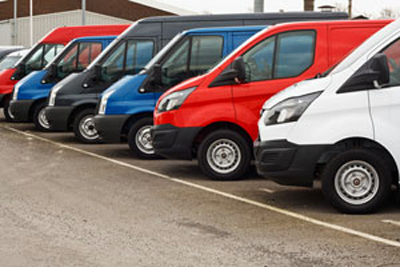
The idea that a business should always buy brand new vehicles is quickly fading as more and more companies are beginning to recognise that a well maintained used vehicle can do the same job without the high upfront cost. As you would expect, this has caused the market for used vans for sale to improve significantly in recent years. Buyers now have access to detailed service histories, condition reports, and better warranty options, making it easier to choose vehicles with confidence. For many businesses, this means they can get reliable transport without stretching their budget.
Depreciation is another factor driving this change. New vehicles lose value quickly, particularly in the first few years. By buying used, businesses avoid that sharp drop and hold onto more of their investment. It also gives them more flexibility if they decide to sell or upgrade later on. This approach fits with a broader mindset of being more careful with spending; businesses are focusing less on appearances and more on what actually works, and used vehicles often meet that need just as well as new ones.
Switching To Electric and Hybrid Options
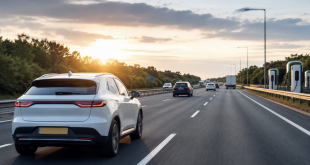
Electric and hybrid vehicles are now a regular part of fleet planning. Many UK businesses are making the switch, although the pace varies depending on their needs and location. One of the main reasons for this is cost over time: electric vehicles can be much cheaper to run, with lower charging costs compared to fuel and fewer mechanical parts to maintain. Whilst the initial price can be higher, the long term savings associated with choosing an electric or hybrid vehicle often makes up for it.
That said, making this switch isn’t always simple. Charging infrastructure in this way still depends on where a business operates, as charging station availability varies throughout the country, and not all routes are suited to fully electric vehicles. However, hybrid vehicles can be a good compromise here, offering a balance between traditional fuel and electric power and giving businesses a way to reduce emissions without relying entirely on charging networks.
There’s also external pressure to consider. Clients, partners, and even customers expect businesses to show some level of environmental responsibility. Using electric or hybrid vehicles is a visible and practical way to do just that, which is a significant draw for many businesses in the modern day.
Rethinking Ownership and Leasing Models
Beyond the vehicles themselves, businesses are rethinking how they pay for and access them. Owning a fleet outright is no longer the default choice. Instead, companies are exploring leasing, subscription services, and other flexible arrangements. Vehicle leasing, in particular, remains popular because it spreads costs over time and often includes maintenance as part of the agreement. This makes budgeting more predictable, reduces the hassle of managing repairs, and allows businesses to update their vehicles more regularly, which can be useful as technology continues to change.
Some companies are going even further now by moving away from ownership altogether. They rely on rental services or car-sharing options when needed, rather than keeping vehicles on hand at all times. This works particularly well for businesses with irregular or seasonal demand.