Automotive Blog Automotive Blog brings you the latest news, car reviews and information on the automotive industry.
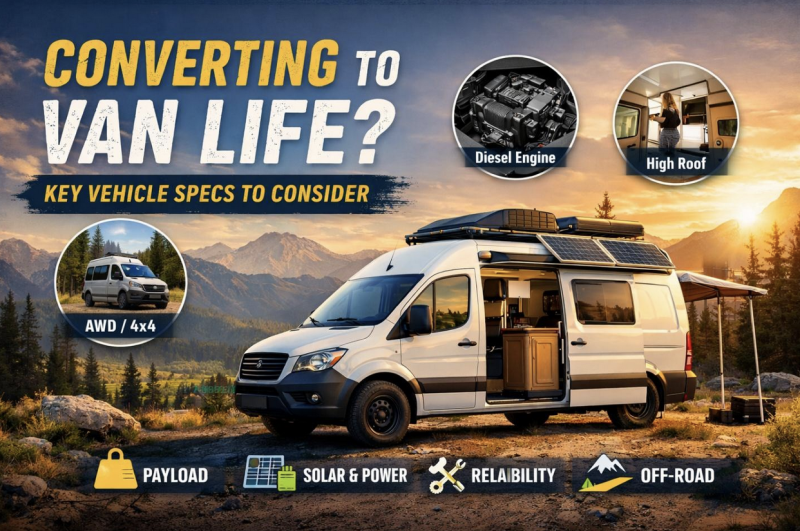
The growing popularity of van life has inspired many people to transform ordinary vehicles into fully functional mobile homes. However, successful van life starts long before the build process—it begins with choosing the right vehicle. Understanding the most important automobile specifications can help you avoid costly mistakes and ensure your van is safe, comfortable, and reliable for long-term travel.
This guide explores the key automobile specs you should evaluate if you want to convert a vehicle into van life, whether for weekend adventures or full-time living.
Meanwhile if you are looking for a platform where you can find bingo, be sure to check out Tongits Go start playing alongside other card games.
Vehicle Size and Interior Dimensions
One of the most important considerations when choosing a vehicle for van life is size. The interior dimensions determine how comfortable your living space will be.
Roof Height
- High-roof vans allow standing room, which improves daily comfort and makes cooking, working, and changing clothes easier.
- Mid-roof vans offer a balance between comfort and fuel efficiency.
- Low-roof vans are more affordable and stealthy but limit vertical space.
Wheelbase and Length
- Short wheelbase vehicles are easier to maneuver and park in cities.
- Long wheelbase or extended vans provide room for beds, storage, and even bathrooms.
Choosing the right balance between mobility and space is crucial for long-term van life.
Payload Capacity and Gross Vehicle Weight Rating (GVWR)
Payload capacity refers to how much weight the vehicle can safely carry after accounting for its own weight. This is one of the most overlooked automobile specs in van conversions.
Payload must include:
- Insulation and interior panels
- Cabinets, bed frame, and appliances
- Electrical systems and batteries
- Water tanks and personal belongings
A fully built van can easily add hundreds or thousands of kilograms. Always choose a vehicle with extra payload capacity to avoid overloading, which can damage suspension, brakes, and drivetrain components.
Engine Type and Performance
Diesel vs Gasoline Engines
- Diesel engines provide higher torque, making them ideal for heavy van builds and mountain driving.
- Gasoline engines are generally cheaper upfront and easier to maintain in some regions.
Engine Power and Torque
Torque matters more than horsepower in van life. High torque helps the vehicle handle added weight and climb steep roads with less strain.
Drivetrain Options
The drivetrain affects traction, handling, and fuel efficiency.
- Front-wheel drive (FWD) offers better fuel efficiency and a flatter rear floor.
- Rear-wheel drive (RWD) handles heavy loads and towing better.
- All-wheel drive (AWD) or 4×4 is ideal for off-grid travel, snow, and rough terrain but increases cost and maintenance.
Choose a drivetrain that matches where and how you plan to travel.
Fuel Efficiency and Driving Range
Converted vans are heavier than standard vehicles, so fuel economy matters.
- Larger vans consume more fuel but provide better comfort.
- Smaller vans cost less to run but limit living space.
Long-range fuel tanks can be beneficial for remote travel and fewer refueling stops, especially for full-time van lifers.
Electrical System Compatibility
Van life requires reliable power. The vehicle must support:
- Auxiliary batteries (AGM or lithium)
- Solar panel installation
- Alternator charging systems
- Inverter mounting
Check roof space for solar panels and engine bay access for wiring. Some vehicles are easier to modify than others when it comes to electrical upgrades.
Roof Load Capacity
Roof load capacity determines how much weight the roof can safely support.
Common roof-mounted items include:
- Solar panels
- Roof racks
- Awnings
- Storage boxes
Always distinguish between dynamic load (while driving) and static load (while parked).
Interior Shape and Body Design
The internal structure of the vehicle affects build complexity.
Look for:
- Straight walls for easier cabinetry
- Minimal wheel well intrusion
- Flat or near-flat floors
- Wide rear doors for loading and ventilation
Vehicles with excessive curves can make DIY builds more difficult and expensive.
Suspension and Braking System
A converted van carries significantly more weight than a passenger vehicle.
- Heavy-duty suspension improves stability and ride quality.
- Upgraded brakes may be necessary for safety.
- Load-rated tires are essential for carrying added weight.
Ignoring these specs can lead to poor handling and increased stopping distance.
Climate Control and Insulation Compatibility
Your van’s design should match the climates you plan to live in.
- Hot climates require strong ventilation and reflective insulation.
- Cold climates require thicker insulation and compatibility with diesel or gas heaters.
Some vans handle condensation better due to body construction and ventilation design.
Reliability and Maintenance Costs
Reliability is critical for van life, especially for long-distance travel.
Before purchasing a vehicle:
- Research common mechanical issues
- Check maintenance and repair costs
- Ensure spare parts are widely available
A reliable van reduces downtime and unexpected expenses.
Safety Features
Essential safety specs include:
- Anti-lock braking system (ABS)
- Stability control
- Airbags
Additional safety features like backup cameras and lane assistance are valuable for long highway drives and parking in tight spaces.
Legal and Registration Considerations
Automobile specs can affect legality and insurance.
Check:
- Maximum legal vehicle weight
- Reclassification as a camper or motorhome
- Insurance coverage for converted vehicles
- Emissions and inspection regulations
Failing to comply with legal requirements can result in fines or denied insurance claims.
Budget and Total Cost Planning
The vehicle is only part of the cost.
Your budget should include:
- Conversion materials
- Electrical and plumbing systems
- Maintenance and upgrades
- Registration and insurance adjustments
Many experienced van lifers recommend spending no more than 60% of the total budget on the vehicle itself.
Final Thoughts
Choosing the right automobile specs is the foundation of a successful van life conversion. Size, payload capacity, drivetrain, and reliability all play a critical role in comfort, safety, and long-term usability.
By carefully evaluating these specifications before buying a vehicle, you can create a van life setup that supports your lifestyle, travel goals, and budget. A well-chosen vehicle makes van life enjoyable and sustainable, while a poor choice can turn the experience into a constant challenge.
Taking the time to understand automobile specs now will save you time, money, and stress once your van life journey begins.