Automotive Blog Automotive Blog brings you the latest news, car reviews and information on the automotive industry.
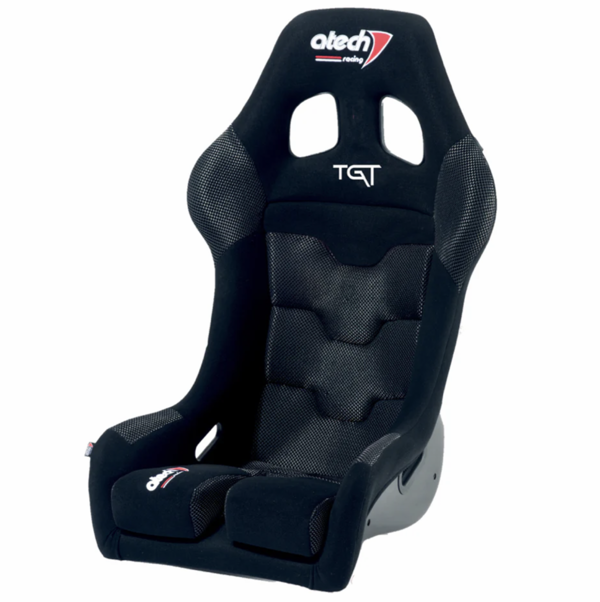
Upgrading a car usually starts with the obvious things. More power. Better tyres. Sharper suspension. Yet one of the most noticeable changes you can make sits much closer to home: the seat.
A good bucket seat changes the way a car feels from the moment you settle into it. It can improve support, sharpen your sense of control, and make spirited driving feel far more connected. For some drivers, it also solves a simple frustration. No more sliding about on roundabouts, bracing against the steering wheel through bends, or climbing out after a longer drive with an aching back.
That said, choosing the right seat is not always straightforward. There is a big difference between a road-friendly bucket seat and a full competition item, and the best option depends entirely on how the car is used.
Why Seating Makes Such a Difference
Most factory seats are designed to suit as many people as possible. They need to be easy to live with, easy to get in and out of, and comfortable enough for the school run as well as the motorway. That makes sense for a standard road car, but it also means compromise.
Once you start driving with more intent, those compromises show up quickly. Under braking or cornering, your body moves around more than it should. You end up gripping the wheel harder, shifting your weight in the seat, or using your knees and elbows to keep yourself steady. None of that helps comfort or control.
A better seat helps keep you in position, so your arms and legs can focus on the actual job of driving. On the road, that means less fatigue and a more settled driving position. On track, it can mean smoother inputs and more confidence when the pace rises.
Road Bucket or Race Seat?
This is the first decision to get right.
For many enthusiasts, a road bucket seat is the sweet spot. These are usually more forgiving for everyday driving, often available in reclining designs, and generally easier to live with if the car still sees regular road miles. They offer noticeably more support than a typical factory seat without making the car feel too extreme.
A fixed-back race seat is a more focused option. These are built with support and safety much higher up the priority list, often with harness compatibility and a shell design intended for competition use. They make more sense for dedicated track-day builds, rally cars, or anything that is edging closer to proper motorsport territory.
Sizing Is Where Many People Get It Wrong
A bucket seat can look perfect on paper and still be completely wrong once you sit in it.
Too wide, and it will not hold you properly in place. Too narrow, and it will become uncomfortable far sooner than you expect. Height matters too, especially if the seat has shoulder or head protection. A taller driver may need a different shell shape from someone of average height, while narrower cockpits can make seat width a real limitation.
This is why sizing matters as much as styling. Measurements on a product page are useful, but nothing beats checking the fit properly if you can. Even among competition seats, some designs are aimed at taller drivers or tighter interiors, while others are intended as more versatile all-rounders. Race & Rally’s range, for example, includes narrower non-winged options as well as larger seats designed for taller drivers.
Road Use, Track Days and Motorsport Are Different Things
If it is mainly a road car that does the odd Sunday blast or occasional track day, you may not need a full FIA-approved race seat. If the car is being built for regular competition, that changes the picture completely.
FIA-approved seats are designed to meet specific safety standards, and those approvals come with expiry dates that matter for regulated events. FIA guidance states that 8855-1999 seats have a 5-year validity, while 8855-2021 and 8862-2009 seats have a 10-year validity. Motorsport UK has also applied national extensions for some 8855-1999 seats in certain disciplines.
For a general automotive audience, the key point is simple: buy for the job the car actually needs to do. A road car needs one sort of compromise. A competition car needs another.
Do Not Overlook Mounting and Installation
The seat itself gets most of the attention, but installation has a huge effect on the end result.
A great seat mounted badly will still feel wrong. Height, angle, reach to the pedals, steering wheel position, and visibility all matter. Even a small change in seating position can transform how a car feels, for better or worse.
That is why a seat upgrade should always be looked at as a full setup rather than a single part. Proper seat mounting hardware plays a big role in getting the position right and making sure the seat performs as intended. Race & Rally also offers dedicated seat and harness bundles for buyers building a more complete cockpit setup, which can be useful for anyone planning a more focused track or rally-style interior.
The Bottom Line
A bucket seat upgrade can be one of the most rewarding changes you make to a car. It affects comfort, posture, support, confidence, and the way the whole car feels beneath you. For road drivers, that can mean a more planted and enjoyable drive. For track-day enthusiasts, it can bring a stronger sense of control and consistency.
The best choice is rarely the most extreme one. It is the one that fits both the driver and the car properly.
Get that right, and better seating can transform the driving experience in a way many upgrades simply cannot.