Automotive Blog Automotive Blog brings you the latest news, car reviews and information on the automotive industry.
Let’s start with what most people think.
Wheel spacers improve handling.
That’s what you’ll read online.
But it’s not that simple.
They do change how a car drives. Sometimes it feels better. Sometimes it doesn’t.
If you don’t understand why, you’re guessing again.
So let’s break down what actually changes when you fit wheel spacers.
What People Think Wheel Spacers Do
Most people fit spacers for one reason.
They want the wheels to sit flush with the arches.
That part is obvious.
But once you push the wheels out, you also change:
- Track width
- Steering feel
- Load on components
Some of those changes are good. Some are not.
First: Track Width
Track width is the distance between the left and right wheels.
When you add spacers, you increase that distance.
For example:
- 15mm spacers each side = 30mm wider track
That has a direct effect on stability.
A wider track generally makes the car feel more planted, especially in corners.
You may notice:
- Less body roll feeling
- More confidence mid-corner
That’s why many performance cars run wider tracks from factory.
Steering Feel Changes Too
This is where it gets more noticeable.
When you move the wheel outward, you change the position of the tyre relative to the steering axis.
In simple terms:
- The steering can feel heavier
- Feedback through the wheel can increase
For some cars, this feels better.
For others, it can feel slightly off compared to factory.
It depends on how far you go.
Small spacers often feel fine.
Large spacers can change the feel more than expected.
Load on Suspension Components
This is the part people don’t think about.
When you move the wheel outward, you increase leverage on:
- Wheel bearings
- Suspension joints
- Hub assembly
It’s the same idea as using a longer lever.
The further out the load sits, the more force it applies.
Now, in normal road use with sensible spacer sizes, this is not usually a problem.
But it’s still something to be aware of.
Going from no spacer to 12mm or 15mm is very different to jumping straight to 25mm+.
Why Spacer Size Matters More Than Anything
Not all spacers affect handling the same way.
A small spacer:
- Slightly increases track
- Small change in steering feel
- Minimal impact elsewhere
A large spacer:
- Bigger change in geometry
- More noticeable steering changes
- Higher load on components
So the question is not:
“Do spacers affect handling?”
It’s:
“How much spacer are you adding?”
Where Handling Can Improve
In many cases, a modest spacer setup can feel better.
For example:
- Slightly wider track improves stability
- Better tyre positioning improves grip feel
- More balanced stance front to rear
You often notice this on cars that sit quite tucked from factory.
The car feels more settled through corners.
Where It Can Get Worse
Push it too far, and the downsides show up.
You may get:
- Heavier or less natural steering
- More sensitivity to road surface
- Increased wear on components over time
This usually comes from running spacers that are too large for the setup.
Or from poor-quality spacers that don’t sit correctly.
Spacer Design Still Matters
Even if you choose the right thickness, the design still matters.
If the spacer does not locate properly on the hub, you introduce movement.
That leads to:
- Vibration
- Inconsistent steering feel
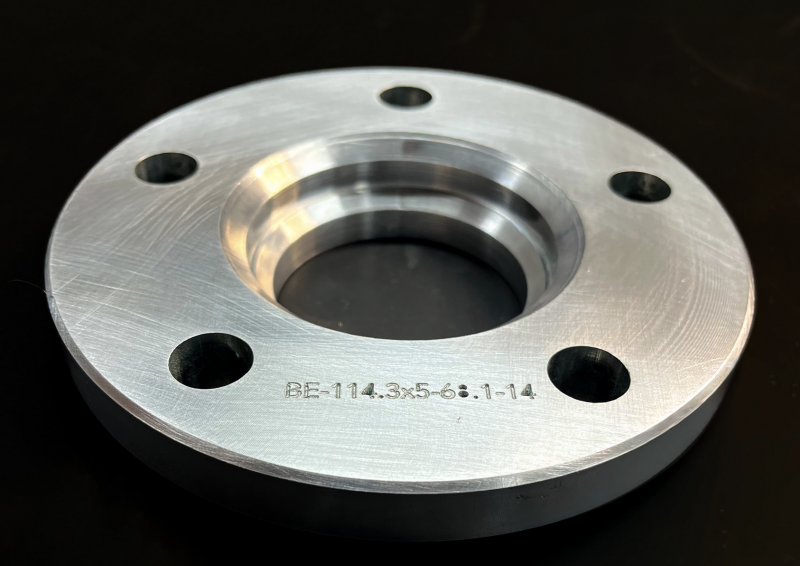
A properly machined hubcentric wheel spacer removes that issue:
The wheel stays centred, and the car drives as expected.
Real Example: Porsche Setup
Porsche wheel spacers are a good example because the steering feel is very precise.
Small changes are easy to notice.
A common setup:
- 15mm front
- 20mm rear
This gives:
- Wider track
- Improved stance
- Stable cornering feel
If the spacers are correct, the car still drives like it should.
If they are not, you’ll feel it straight away.
A Simple Way to Approach It
If you want to keep things predictable:
- Stay within sensible spacer sizes
- Match front and rear balance
- Use spacers that locate properly on the hub
- Avoid extreme setups unless you know why you need them
That keeps the handling changes controlled.
Final Thoughts
Wheel spacers do affect handling.
They change track width, steering feel, and load on the car.
Used properly, they can improve how the car feels on the road.
Used badly, they introduce problems.
The key is not guessing.
Choose the right thickness, use the right design, and keep the changes within reason.
Do that, and the car will feel better, not worse.