Automotive Blog Automotive Blog brings you the latest news, car reviews and information on the automotive industry.
Buying a car is only the beginning. What comes after matters just as much as the handover day. Every vehicle needs regular care, reliable advice, and people you can trust when something goes wrong.
Without that support, even a good car can become stressful to own. Drivers often focus on price and features but overlook the network that keeps everything running smoothly. The right setup saves time, reduces costs, and makes ownership far easier over the years. Keep reading to see how to put that support in place.
Choosing a Dealership That Offers Ongoing Help
The dealership should not disappear once the keys are in your hand. A good one stays useful long after the sale. This means clear servicing options, accessible staff, and practical help rather than scripted responses. Look for somewhere that keeps records organised, explains work in plain language, and does not make simple jobs difficult to arrange.
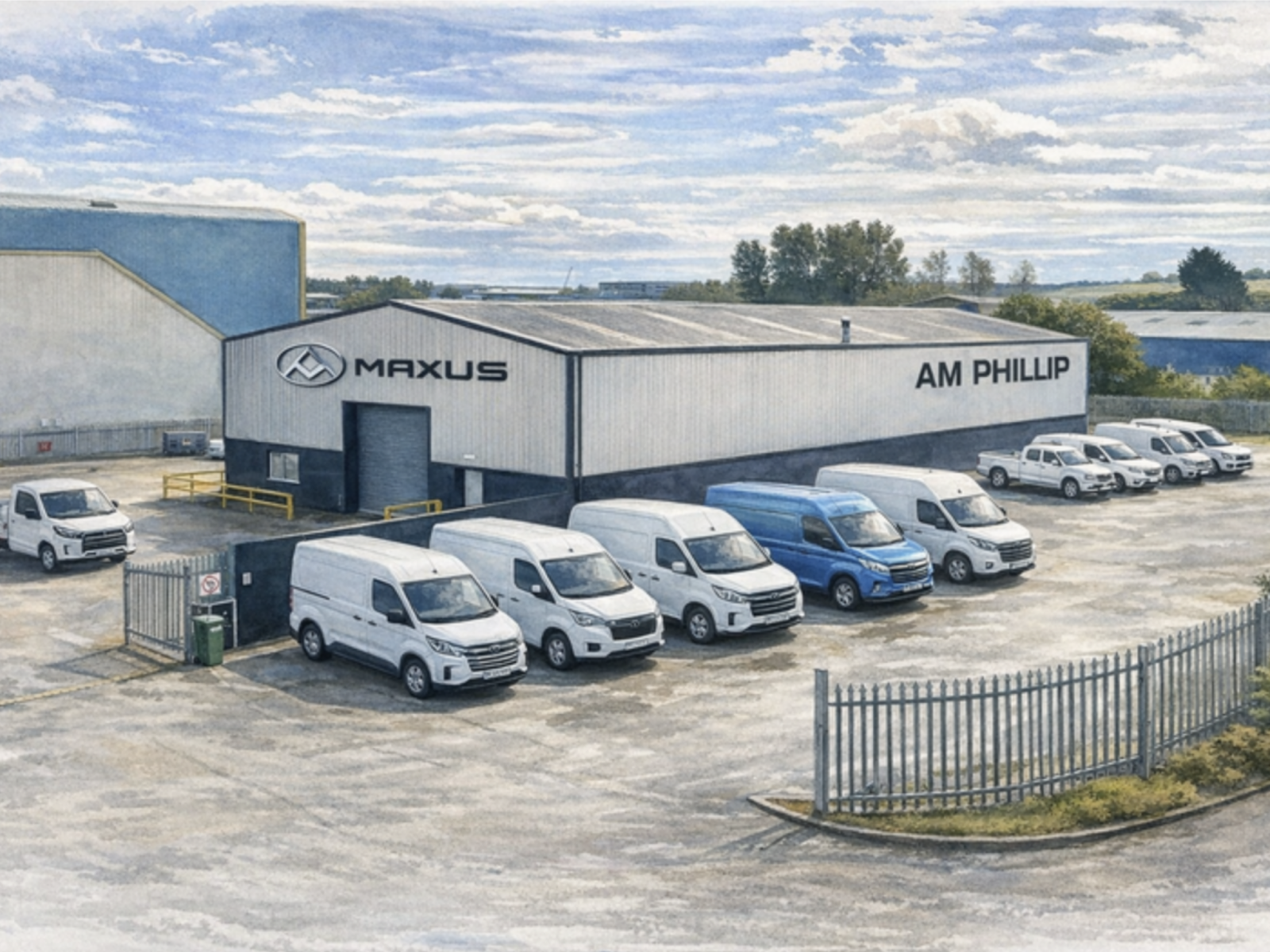
It also helps if the dealership understands how you actually use your car. A commuter vehicle, a family car, and a working van all need different kinds of attention. Some buyers stay with the same dealer for years because that relationship removes guesswork. Owners who buy through providers such as AM Phillip Maxus often do so because sales and aftercare sit in the same place, which makes future servicing easier to manage.
Understanding Servicing Before You Need It
Servicing should be planned, not reacted to. Many drivers wait until a warning light appears, which usually leads to higher costs and more disruption. A clear schedule based on mileage and usage keeps things predictable.
Know what is included in each service level. Minor services cover fluids, filters, and checks. Major ones deal with wear parts, safety items, and deeper inspection. When you understand this structure, you can budget properly and avoid surprises.
It also matters where the work is done. A reputable service centre with experience of your vehicle type will spot patterns and prevent repeat faults. Keep all documentation together, whether digital or paper. A complete service history supports resale value and gives confidence that the car has been looked after properly.
Building Relationships with Local Specialists
Not every job needs to go back to the main dealer. Independent garages, tyre centres, and auto electricians all form part of a strong support network. The key is choosing them before an urgent problem appears.
A reliable local garage can handle routine maintenance quickly and often more conveniently. They get to know the vehicle and notice small changes over time. That familiarity can prevent larger repairs later. Tyre specialists are equally important. Regular checks for wear and alignment improve safety and fuel use. Windscreen repair providers, recovery services, and MOT centres also play their role. Having these contacts saved and ready removes panic when something unexpected happens. This network works best when each provider communicates clearly and keeps records you can refer back to.
Planning for Downtime, Repairs, and Practical Needs
Cars spend time off the road. That is normal. What matters is how well you handle those periods. Courtesy cars, flexible booking times, and realistic turnaround estimates make a big difference to daily life.
Ask about parts availability and repair timelines before choosing where to service your car. Some garages rely on long supply chains, while others keep common items in stock. That can mean days versus weeks without your vehicle.
Breakdown cover is another essential layer of support. Choose a policy that reflects how far and how often you travel. A local recovery plan may suit some drivers, while others need nationwide cover. Thinking ahead like this turns a disruption into a manageable pause rather than a major inconvenience.
Keeping Communication Clear and Records Organised
Good communication prevents most ownership problems. You should always know what work is being done, why it matters, and what it costs. Straightforward updates build trust and help you make informed decisions.
Keep invoices, service reports, and MOT certificates in one place. Digital folders work well, as they are easy to share if you sell the car or change provider. Accurate records also help diagnose future issues because technicians can see what has already been replaced or checked.
It also helps to note changes in how the car feels to drive. Small observations about noise, handling, or fuel use can guide a mechanic towards early fixes. When everyone involved has the same information, the car receives consistent care throughout its life.