Automotive Blog Automotive Blog brings you the latest news, car reviews and information on the automotive industry.
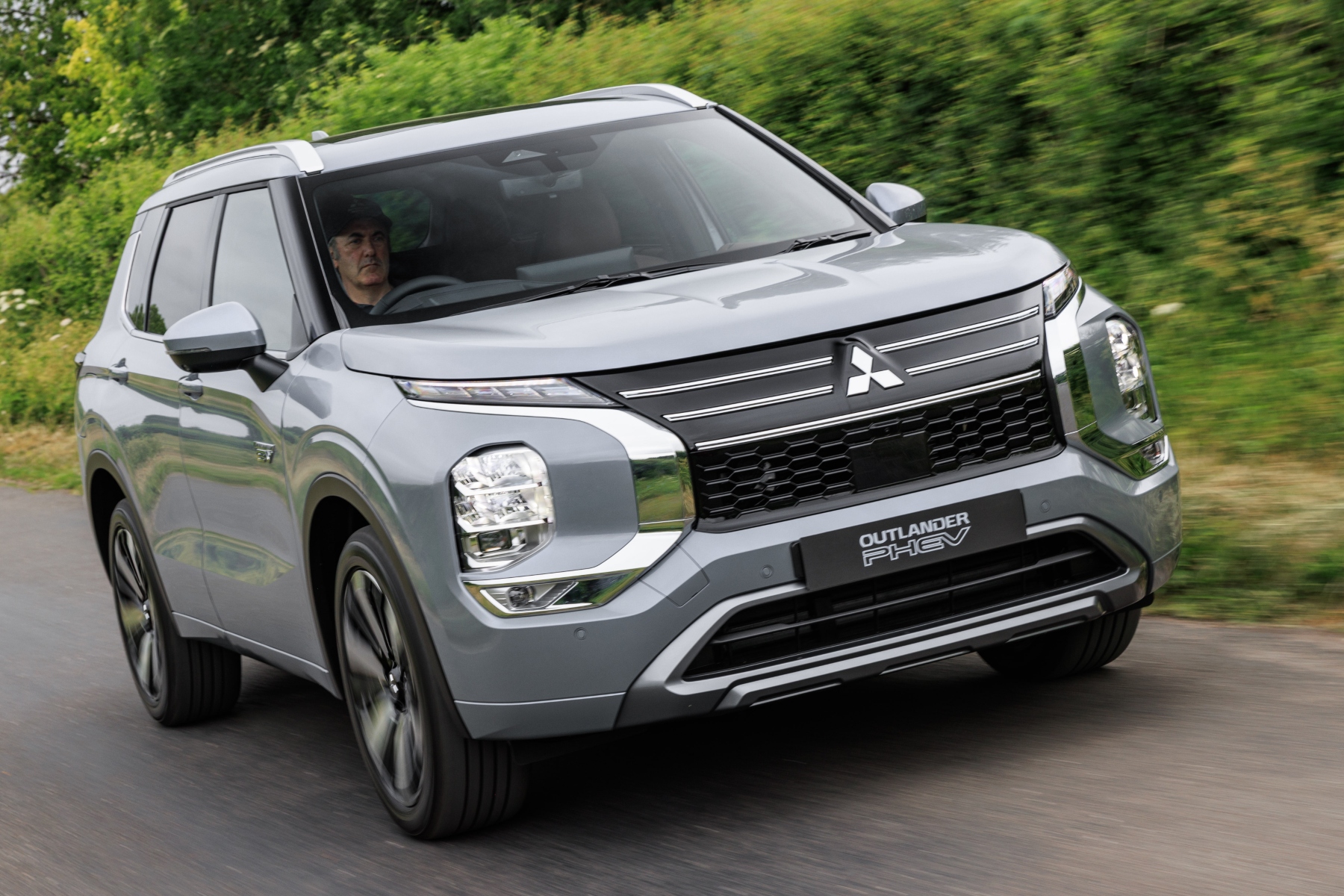
We test the first of two new models from Mitsubishi – the latest Outlander PHEV
Mitsubishi Motors is back selling vehicles in the UK after an absence of five years.
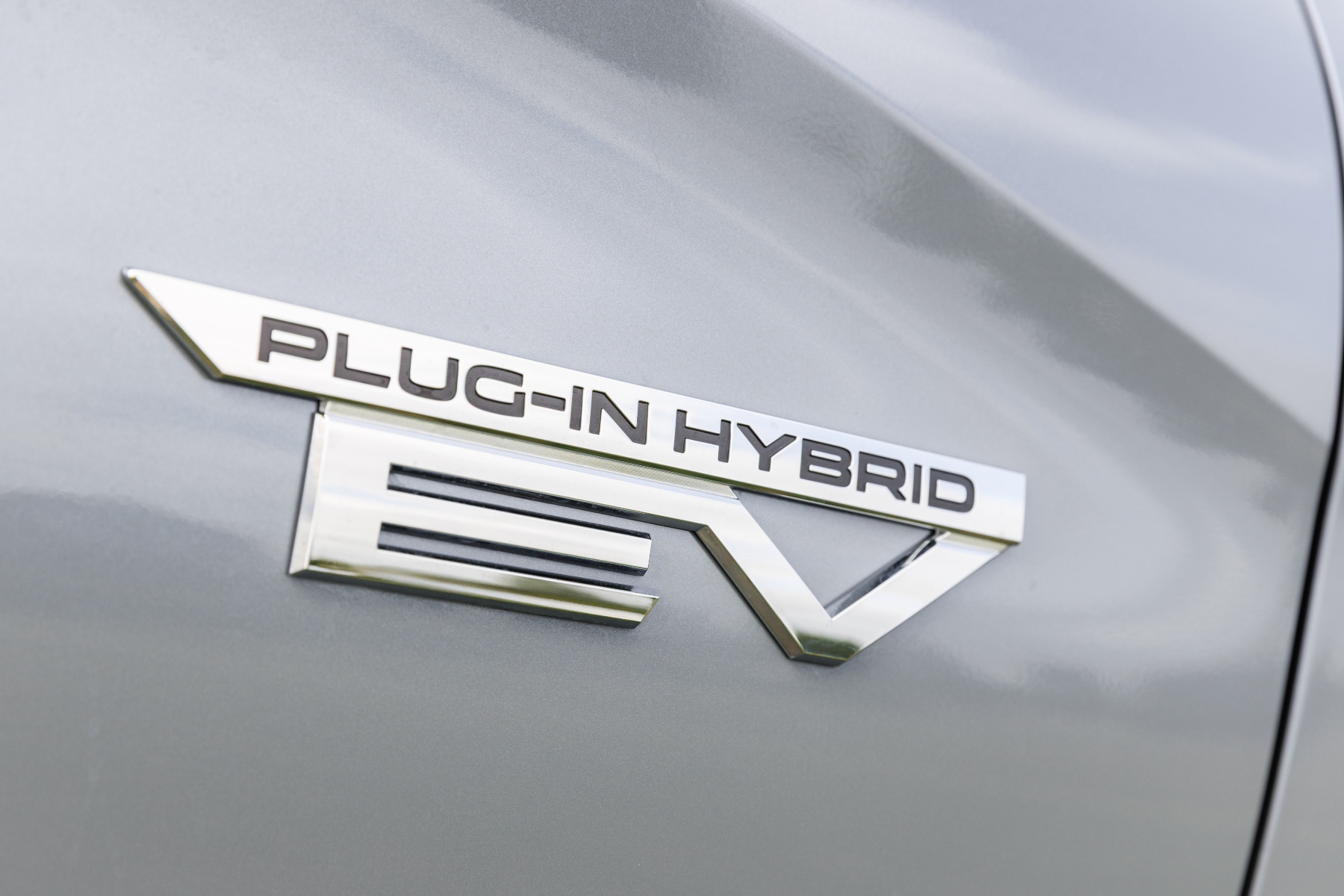
The first new model out of the box is the Outlander PHEV – the latest version of the SUV which put plug-in hybrids on the map.
The original was something of a phenomenon. Nearly 55,000 were sold in the UK between 2014-21, it outsold every other PHEV, and it developed a loyal fanbase.
Plug-in hybrids were originally just seen as a stepping stone for people before switching to 100% electric cars.
However, it turns out that PHEVs are still selling well because motorists like the ‘best of both worlds’ solution.
Not only do they provide enough electric range for average daily commutes, they also eliminate range anxiety for longer journeys.
Also, they are popular company cars because they offer low Benefit in Kind (BIK) tax rates.
So, the market for PHEVs is healthy and Mitsubishi wants a slice of it. To put the figures into perspective, the Jaecoo 7 became the UK’s best-selling new car in March 2026 with 10,064 registrations, according to SMMT data, with plug-in hybrid versions accounting for 85% of all sales.
Priced from £46,995, the 2026 Outlander PHEV rings the changes. Highlights include bold new styling, bigger proportions, a larger battery, longer EV range, more power, and a seven-seat option (rare among plug-in hybrids).
Under the bonnet, the hybrid system is much the same as before, combining a 2.4-litre petrol engine with a 27.7kWh lithium-ion battery and two electric motors (85kW at the front and 100kW on the rear axle) for a combined power output of 295bhp.
The result in an electric-only range of 53 miles, CO2 emissions of just 20g/km, a combined driving range of up to 500 miles with potential economy of 313mpg, and a respectable 0-62mph time of 7.9 seconds.
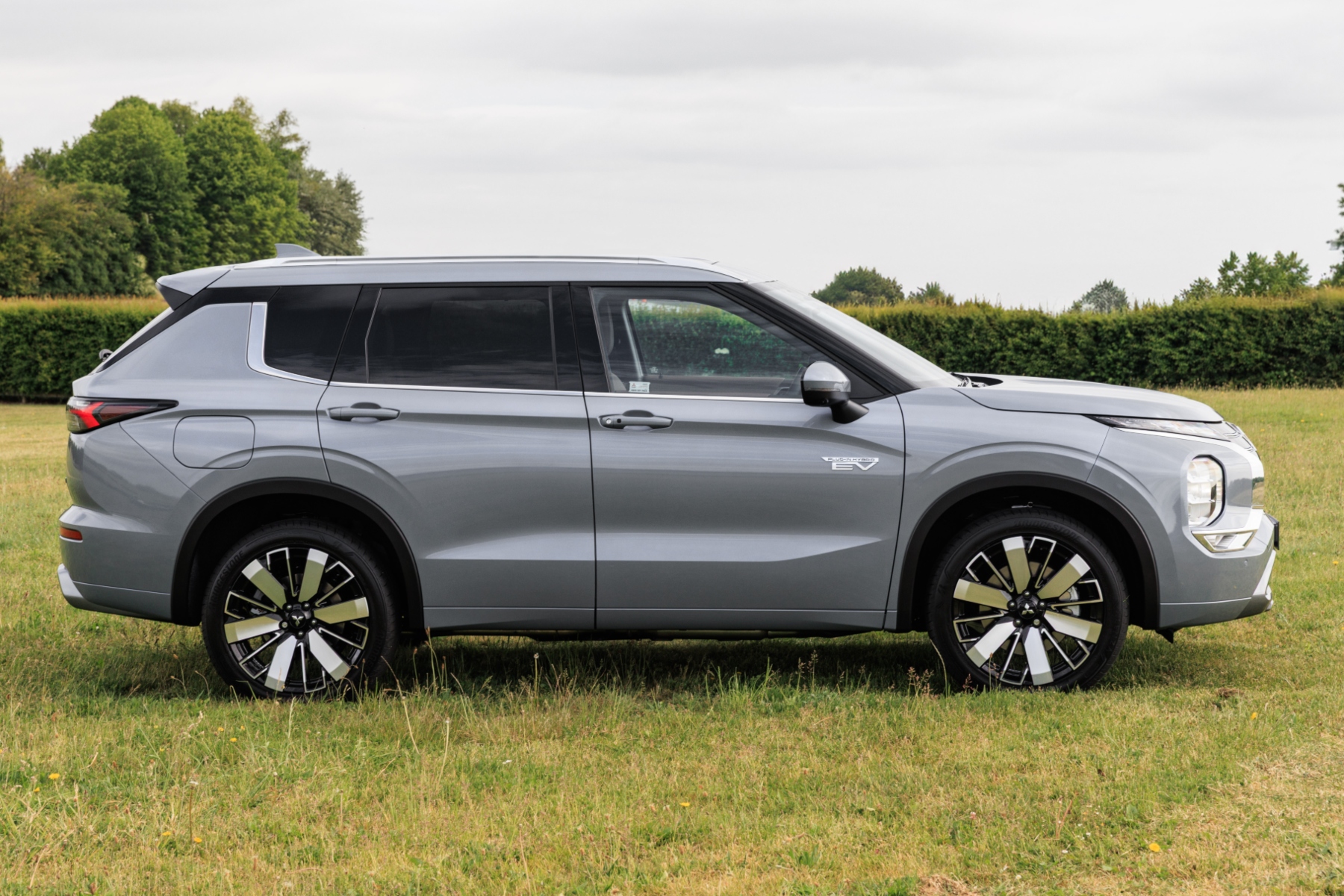
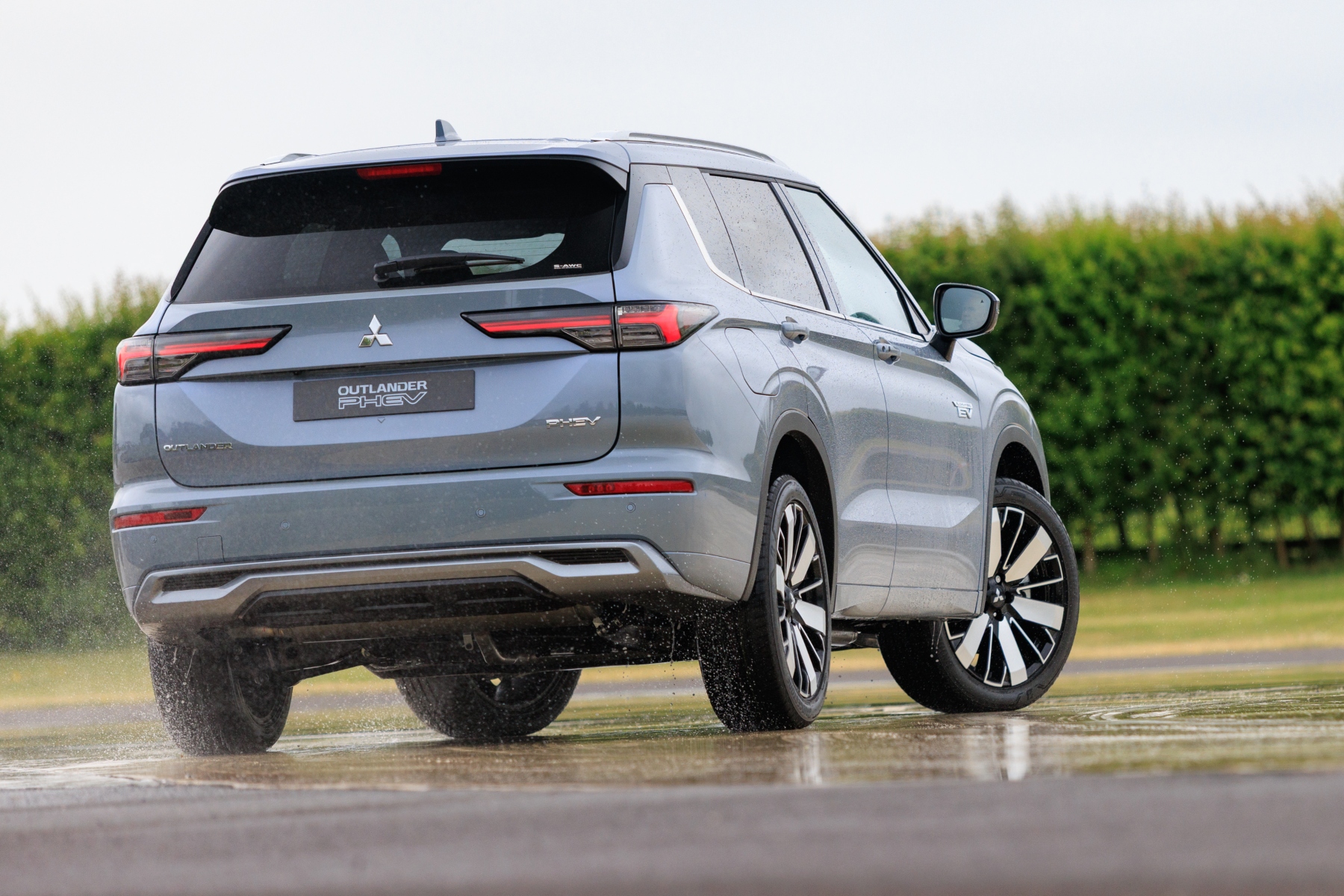
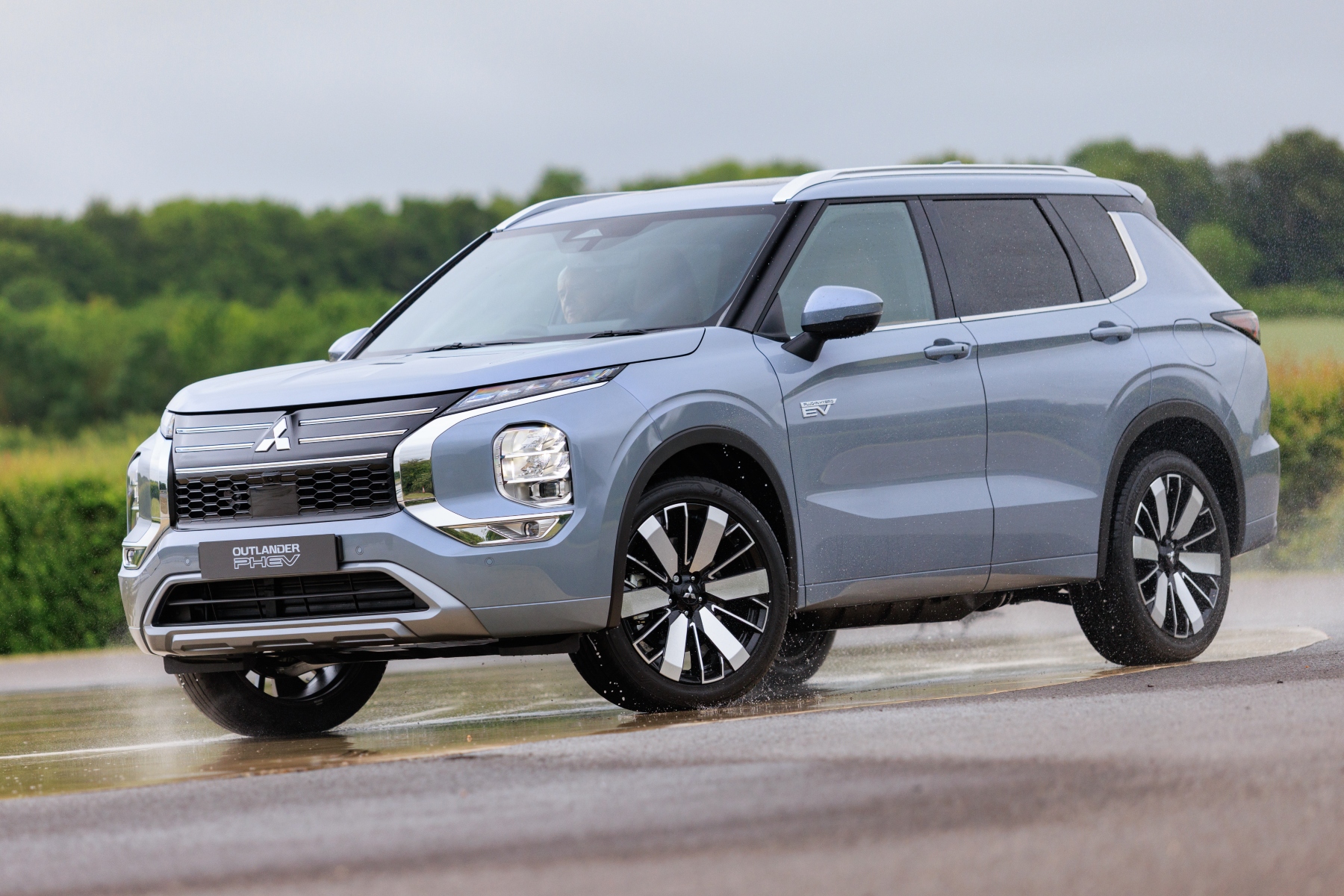
First impressions are good. Apart from its distinctive ‘Dynamic Shield’ front design (which is divisive), the new Mitsubishi Outlander PHEV is handsome and substantial.
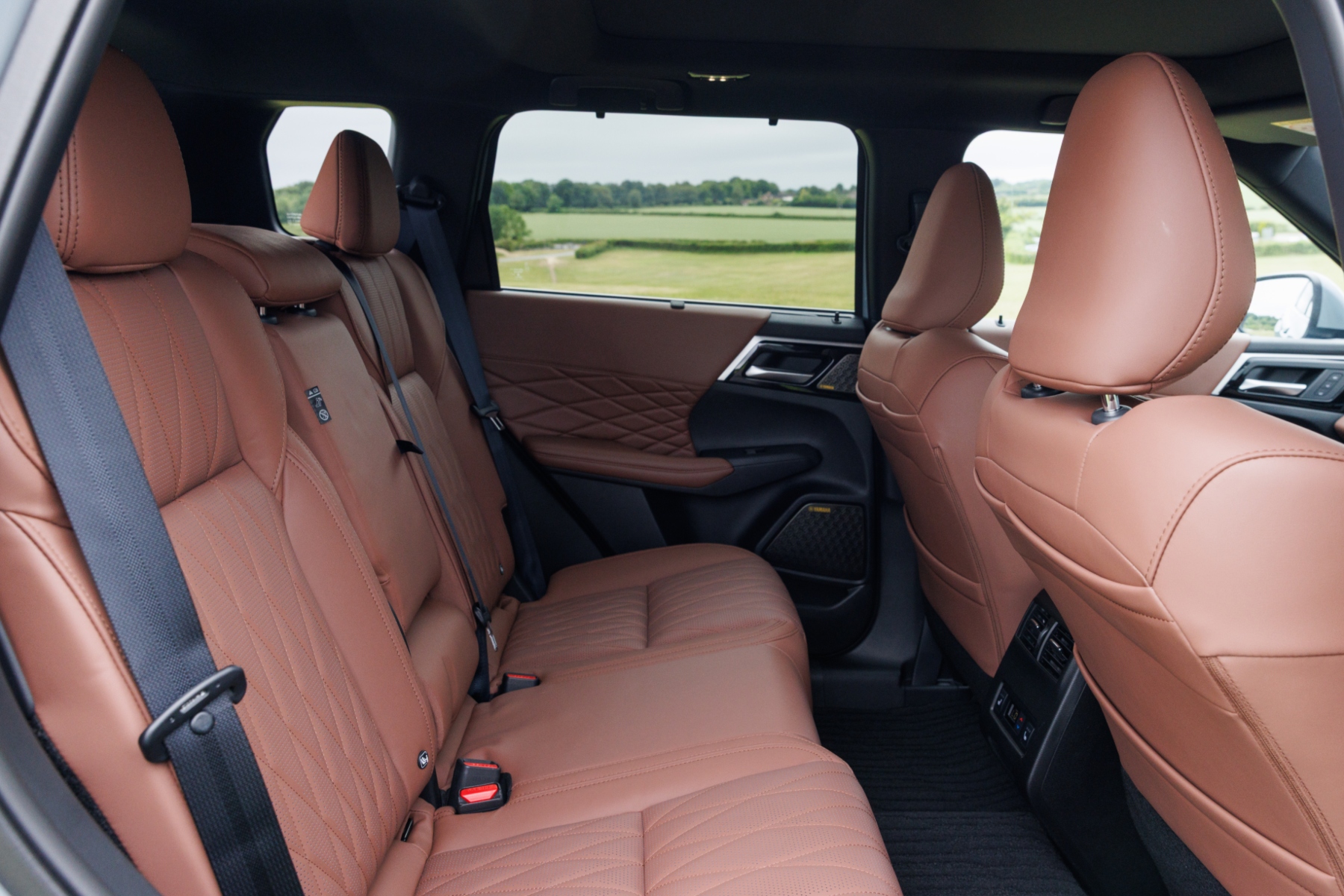
Inside, it now oozes space. Rear space is especially generous, and of course, there is now a third row option too, even if these two seats are cosy and for small people on short journeys.
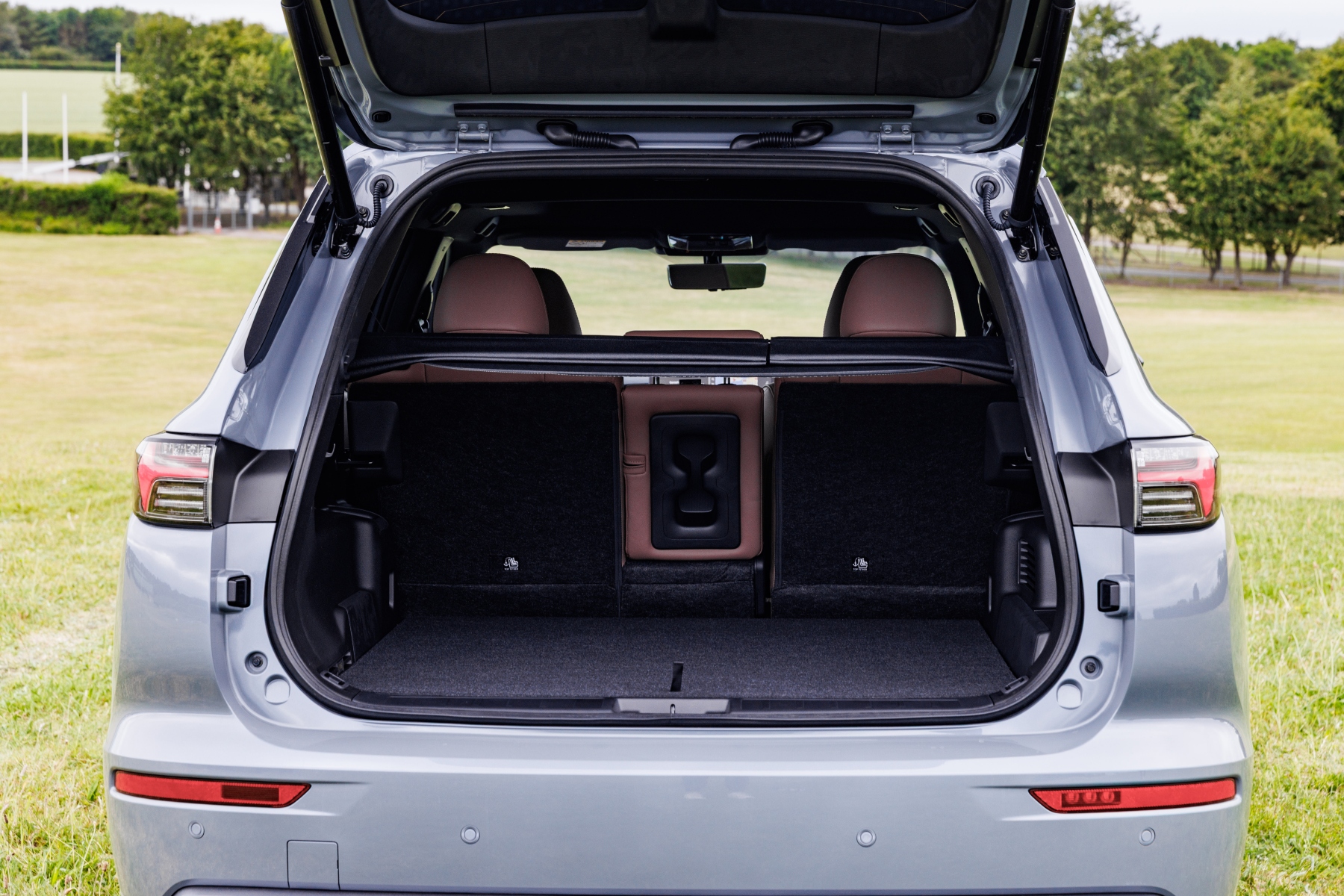
For the record, the Outlander PHEV offers 362 litres of luggage capacity with the 5+2 third-row seating in use. Folding the third-row seats flat increases this to 872 litres, and folding the second row as well gives a maximum cargo volume of 1,832 litres.
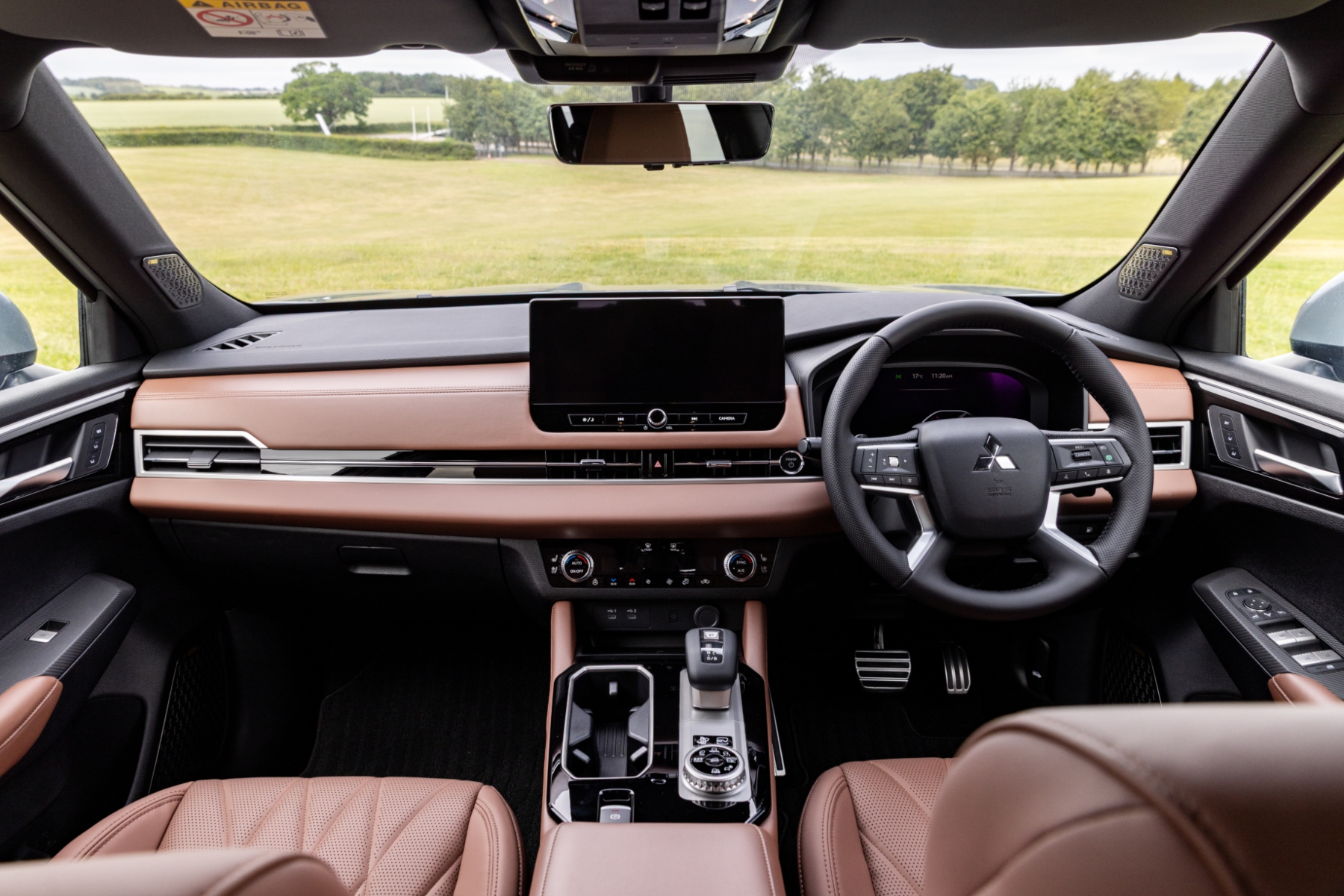
It’s also clear that the Outlander PHEV’s build quality and materials have both taken a step up, and while the infotainment system is not best in class, it gets extra points because Mitsubishi has wisely kept various switches and dials for essentials such as heating and climate control.
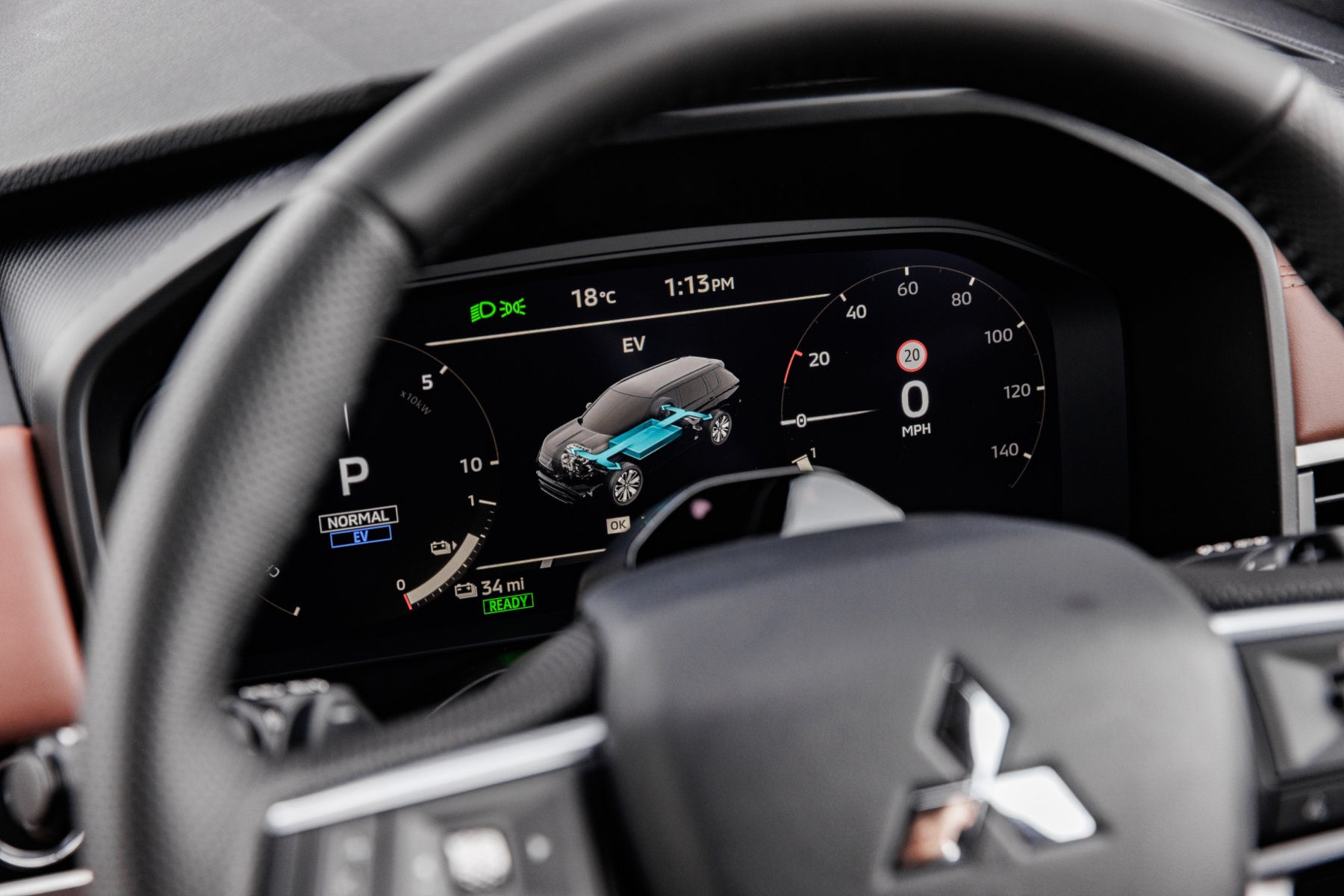
Two specifications are offered – seven-seat Nativa and five-seat Diamond.
Both come with a 12.3-inch digital driver’s display and a 12.3-inch centre touchscreen, and there’s a full suite of safety and driver assistance tech.
Oh, and a special mention for the supportive and comfortable front seats, and the driving position, where there’s plenty of adjustment so you’re not just perched).
On the road, the Outlander PHEV is smooth and quiet in EV mode. The transition between electric and hybrid modes is virtually seamless and noticeably more refined than the previous model.
If you floor it or you’re low on battery charge, the petrol engine will kick in, and thankfully it’s nowhere near as obtrusive as some other PHEVs.
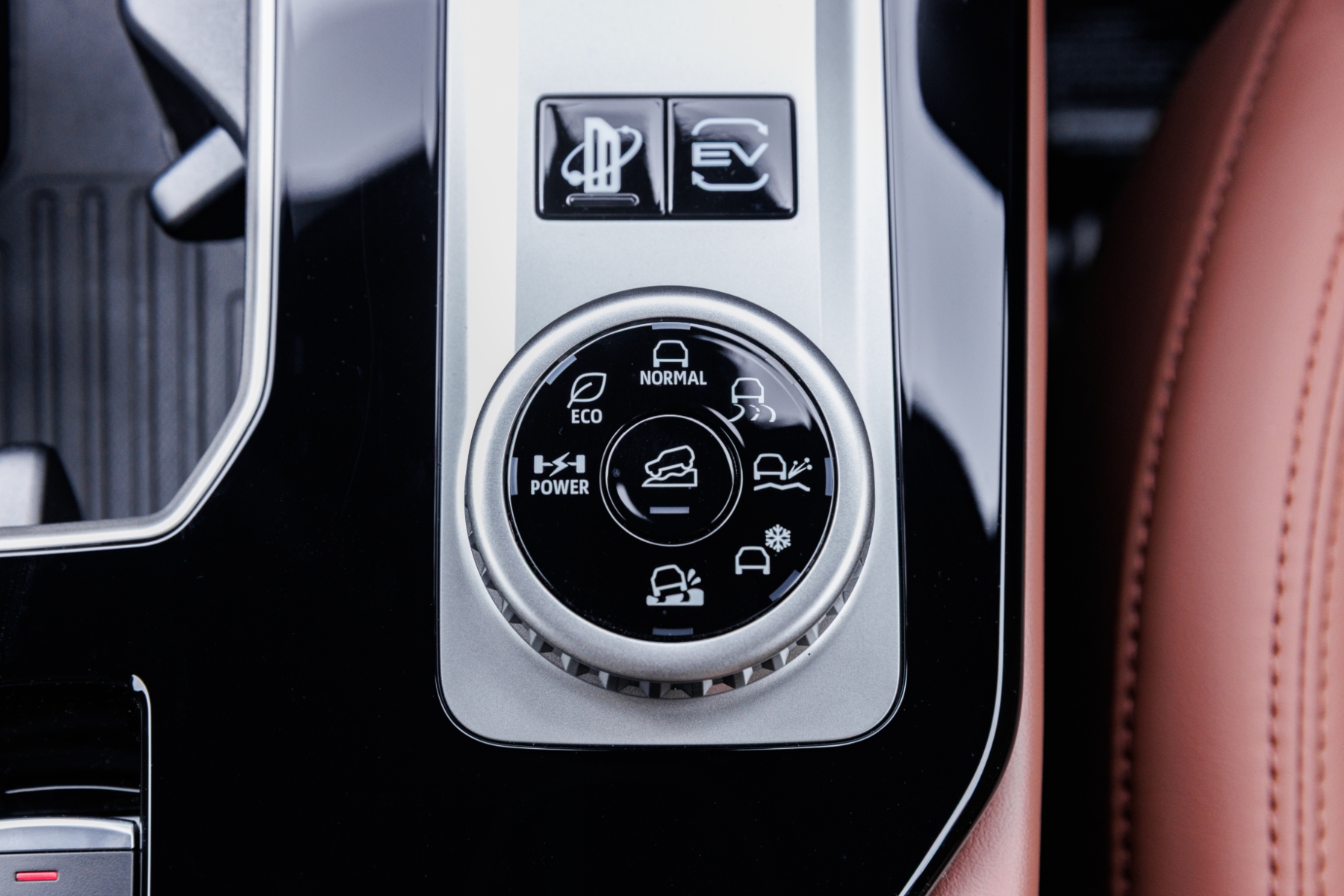
A dial in the centre console offers three drive modes – Eco, Normal and Power – while the hybrid system itself automatically switches between three core operating modes (EV Drive, Series Hybrid, and Parallel Hybrid) to maximise efficiency.
EV is whisper-quiet all-electric, Series Hybrid has the engine working as a generator for the battery and electric motors, while the engine takes over as the primary source of propulsion in Parallel Hybrid at higher speeds (eg motorways).
Additionally, the petrol engine can be used to charge the battery pack, should you want to run in EV mode at some stage (in a city, for instance).
Overall, it’s a clever system, and slicker than ever.
Brake regen can be adjusted via the user-friendly steering wheel paddles, and naturally you can also plug in to charge the battery (taking anything from 32 minutes to 6.5 hours, depending on the connection).
The Mitsubishi Outlander PHEV is an easy car to drive. Visibility is good, and the ride is well judged, taking the edges off potholes, yet not too soft.
Handling is well balanced, providing comfort while still maintaining decent body control when driven more enthusiastically. The steering is progressive and nicely weighted.
And full marks to Mitsubishi for using a pleasant one-speed direct-drive transmission, unlike many competitors which persist with high-revving CVT (Continuously Variable Transmission) systems.
I drove the Outlander PHEV off-road too at the launch event in Wiltshire. Nothing too taxing and no drama. It’s clear that it can cope with a muddy festival field, for instance, or slippery conditions during extreme weather.
As well as Mitsubishi’s tried and trusted all-wheel drive system, there are multiple drive modes tailored for different surfaces, including snow, gravel, mud, and tarmac.
Like all plug-in hybrids, the Outlander PHEV is at its most efficient if the battery is kept charged. Once it’s depleted on long journeys – extended motorway trips, for instance – it relies more on the engine and you can expect as little as 35-40mpg (or 50-60mpg on more modest trips).
That said, most journeys in the UK are relatively short and some owners will stay in electric-only mode most of the time, so trips to the petrol station will be few and far between.
Mitsubishi has a reputation durability and I’m sure that’s still the case this time round, but if you’re looking for extra peace of mind, then the new Outlander PHEV comes with a generous eight-year/100,000-miles vehicle and battery warranty, and five years of roadside assistance.
Finally, the Outlander PHEV has a useful braked trailer weight of up to 1,600kg.
Verdict: The pioneering Mitsubishi Outlander PHEV is back, and it’s better than ever. Classy, smooth, capable, spacious and good to drive, it also happens to be a rare seven-seat plug-in hybrid.